
What to Expect During Your First Visit to a Local Eye Doctor
Your first appointment with a local eye doctor can bring both anticipation and questions. Knowing what to expect will help you feel prepared and confident. Typical visits include an assessment of your eye structure, evaluation of vision, and discussions about long-term care. Given that vision disorders are projected to cost $199.6 billion in direct medical expenses in the U.S. in 2025, according to the CDC and Eye Research, prioritizing eye health is essential for overall well-being.
Being proactive about your vision allows you to address concerns early and maintain the best possible sight. Preparing for the visit and understanding the procedures ahead reduces stress and ensures a smoother experience. With proper planning, your initial visit can provide a strong foundation for long-term eye care and wellness.
Prepare for Your Appointment
Preparation begins with gathering personal and medical information relevant to eye health. Bring details about chronic conditions, previous surgeries, and family history of eye disease. Patients with genetic predispositions benefit from sharing this information, helping your local eye doctor anticipate potential concerns and tailor the examination accordingly.
It is also essential to list all medications, including prescriptions, over-the-counter drugs, and supplements. Certain medications can influence eye health, causing dryness or pressure changes. Sharing your full list allows the doctor to correlate symptoms with possible side effects and prevent misdiagnoses or unnecessary interventions. Financial and logistical preparation, such as confirming insurance coverage and appointment timing, ensures the visit is stress-free.
Undergo Initial Eye Examination Procedures
Upon arrival, you will check in at the clinic, complete any necessary paperwork, and provide identification or insurance details. Staff members are available to guide you and answer questions, setting the tone for a comfortable and organized experience with your local eye doctor.
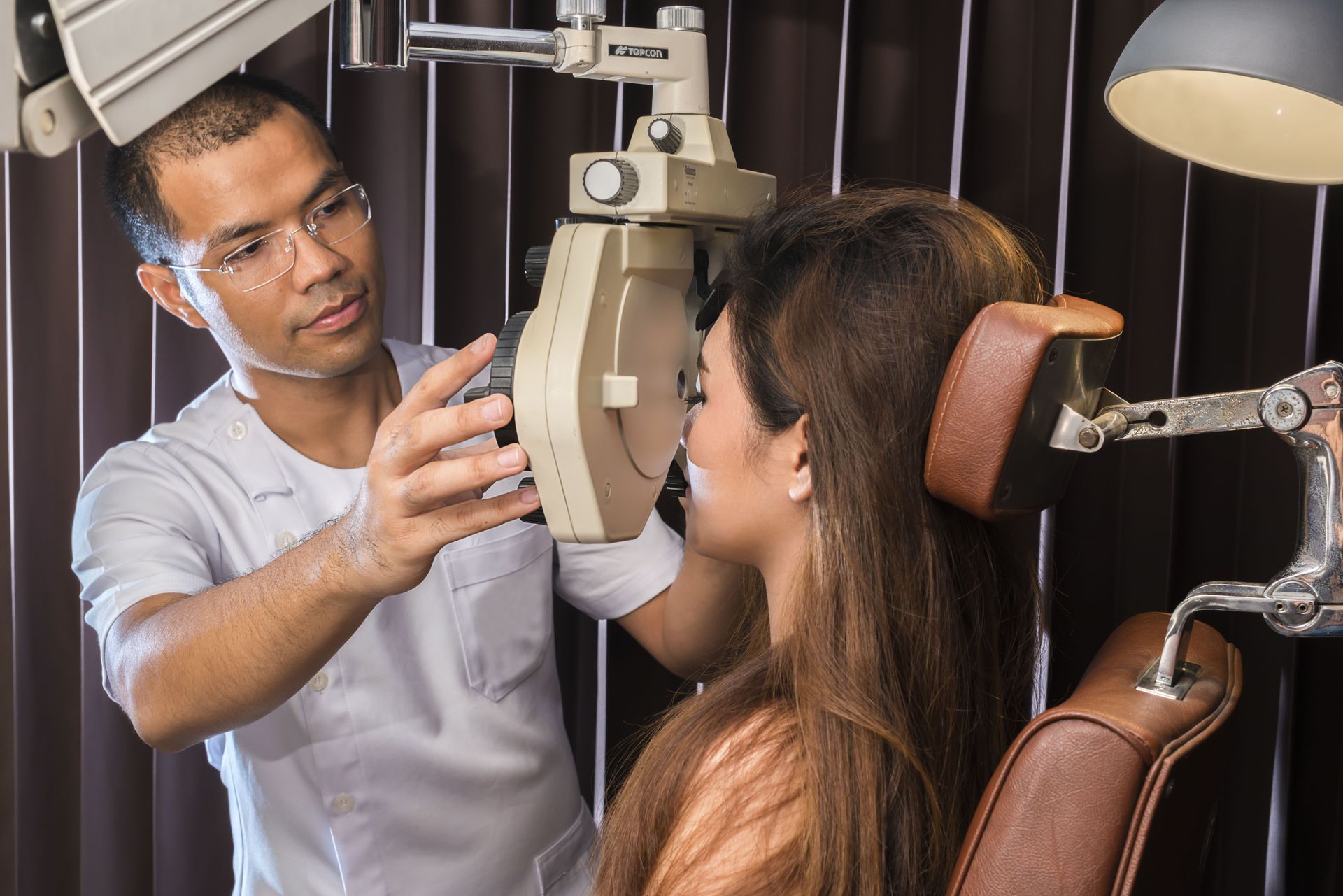
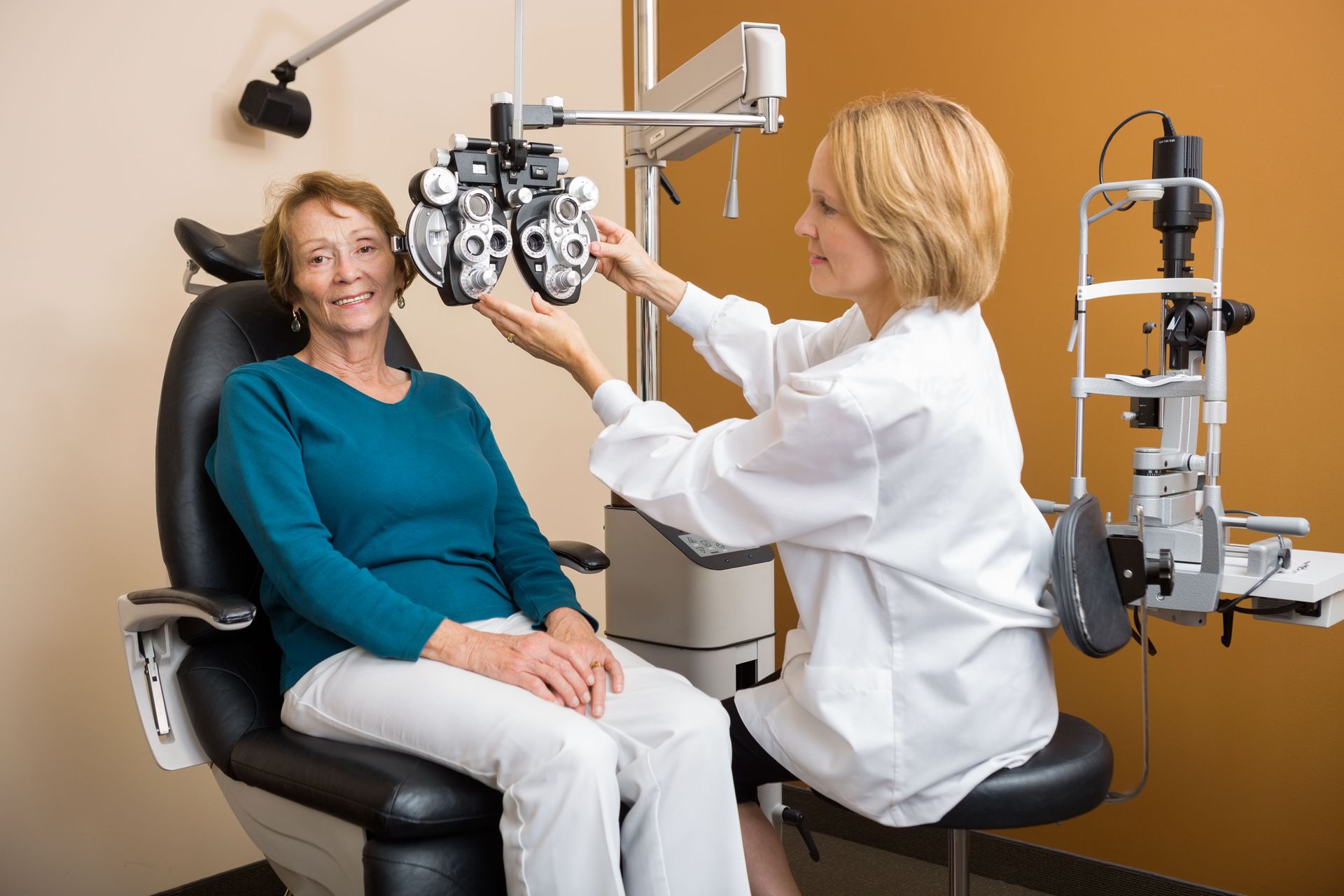
Pre-examination assessments include visual acuity measurements and intraocular pressure tests. These quick tests provide insight into current eye health and help determine whether more detailed evaluations are needed. The comprehensive eye exam examines the structure, function, and overall health of your eyes, including the retina and optic nerve. Eye drops may be used to dilate pupils, temporarily affecting vision but allowing a detailed internal inspection.
Discuss Your Eye Health
After the examination, your local eye doctor will go over the results in detail, explaining both normal findings and any areas that may require attention. This discussion helps you develop a comprehensive understanding of your current eye health and informs decisions about potential treatments or preventive measures. The doctor may provide recommendations for lifestyle adjustments, protective strategies, or further testing to ensure that any concerns are addressed promptly. Clear communication during this review ensures that you leave the appointment feeling informed, reassured, and confident in the next steps for maintaining your vision.
It is important to raise any noticeable vision changes, such as blurriness, difficulty seeing at night, or frequent headaches. Early recognition of conditions like cataracts, glaucoma, or retinal issues allows for timely intervention, which can prevent further complications and preserve vision. Long-term monitoring strategies for conditions such as diabetic retinopathy or macular degeneration are also discussed, including scheduled screenings, lifestyle adjustments, and treatment options. A dedicated question-and-answer session with your local eye doctor ensures that any uncertainties are addressed, giving you the knowledge and confidence to actively participate in your eye care and maintain healthy vision over time.
Learn About Eye Care Best Practices
Daily habits play a critical role in maintaining long-term eye health. Your local eye doctor may recommend simple routines such as washing hands before touching your eyes, avoiding rubbing your eyes, and using proper lighting when reading or working on screens. Recognizing early warning signs of eye problems, like sudden changes in vision, eye pain, or persistent dryness, allows for timely intervention. Implementing these practices consistently helps prevent complications, reduces the risk of infections, and preserves visual clarity over time. Small, mindful adjustments in everyday behavior can make a significant difference in overall eye wellness.
Protecting your eyes from environmental factors is equally important. Wearing sunglasses with UVA and UVB protection or wide-brimmed hats reduces long-term damage, including cataract development and retinal stress. Managing screen time with regular breaks, proper posture, and screen adjustments helps prevent digital eye strain and supports comfort during prolonged device use. Nutrition also plays an important role in maintaining eye health, and your local eye doctor can provide personalized guidance on dietary choices or supplements that support vision. Combined with regular cardiovascular exercise to promote healthy blood flow to the eyes, these strategies create a comprehensive approach to eye care that complements routine checkups with your local eye doctor.
Explore Corrective Options
Corrective solutions for vision vary depending on individual needs and preferences, including prescription glasses, contact lenses, or refractive surgery. Prescription glasses not only correct refractive errors but also offer a range of frame styles, lens materials, and coatings to suit both lifestyle and aesthetic choices. Lens coatings, such as anti-reflective or blue light filtering, can enhance visual comfort, reduce glare from screens or bright lights, and protect against harmful light exposure. Contact lenses provide an unobstructed field of vision and greater flexibility for activities like sports or social events, though they require careful cleaning, storage, and adherence to wearing schedules to maintain eye health.
For patients seeking long-term correction, refractive procedures such as LASIK or PRK can reduce or eliminate dependence on glasses or contacts. Eligibility for surgery depends on factors like corneal thickness, eye health, and prescription stability, which your local eye doctor will evaluate. Integrating corrective wear into your daily routine may involve practical adjustments, such as protective measures during physical activities or incorporating vision care into your hygiene regimen. Understanding the advantages, limitations, and maintenance of each option allows you to make informed choices that enhance comfort, performance, and overall vision quality.
Follow Up After Your Appointment
Understanding your prescription is crucial for choosing glasses or lenses that provide precise vision correction. Each part of the prescription—including sphere, cylinder, and axis measurements—plays a role in ensuring clarity and comfort. Familiarity with these details allows you to select eyewear that meets your lifestyle needs, whether for reading, driving, or digital device use. Your local eye doctor can explain any additional notes, such as prism adjustments or special coatings, so you fully understand how your prescription translates into improved vision. Keeping this information organized also helps you make informed decisions when updating or replacing corrective lenses in the future.
Scheduling follow-up visits is an important step in maintaining long-term eye health. These appointments allow your local eye doctor to track changes in vision, evaluate the effectiveness of corrective measures, and update prescriptions as needed. Maintaining a personal log of symptoms, vision fluctuations, or new prescriptions provides valuable context during these visits and supports more personalized care. Open communication with your clinic ensures that questions, concerns, or unexpected changes are addressed promptly. Consistently following up and monitoring your eye health strengthens preventive care and helps sustain optimal vision over time.
Visiting a local eye doctor for the first time sets the foundation for lifelong eye health. Preparing for the appointment, understanding the procedures, and engaging in follow-up care empowers you to actively protect your vision. Integrating guidance on daily habits, protective strategies, and corrective options helps maintain visual clarity and prevent complications. At Optical City, we encourage patients to stay engaged, ask questions, and work closely with us to safeguard their vision for years to come.


Share On: