
What Eye Doctors Wish You Knew About Vision Health
Sight remains a fundamental human sense, connecting individuals to their surroundings and loved ones. Despite its importance, many people take ocular wellness for granted until problems arise. Patients tend to ignore minor changes, assuming blurry sight or dry eyes are typical parts of aging. This complacency leads to irreversible damage that could have been prevented. Maintaining optimal visual function demands a dedicated commitment to prevention and education.
Medical professionals specializing in vision see countless cases where prompt intervention would have saved sight. These eye doctors understand the intricate anatomy of the visual system and observe the consequences of neglect. They want the public to realize that maintaining clear sight involves consistent daily choices, proper hygiene, and regular clinical evaluations. By adopting a proactive mindset, individuals can protect their ocular systems against disease. The guidance provided by clinical experts offers a roadmap for preserving visual clarity.
Why Daily Habits Matter for Visual Longevity
Nutrition plays a vital role in maintaining ocular strength and preventing macular degeneration. Foods rich in lutein, zeaxanthin, and omega fatty acids fortify the retina against cellular breakdown. Green leafy vegetables and nuts contain structural components that the ocular system needs for repair. When people ignore dietary needs, their eyes lack the necessary defenses to combat oxidative stress. A balanced diet preserves the delicate tissues that process light.
Sun protection stands as an additional critical daily habit that patients overlook. Ultraviolet radiation accelerates the development of cataracts and damages the cornea over time. Wearing sunglasses with broad-spectrum ultraviolet blocking capabilities prevents radiation from penetrating the lens. Harmful rays reach the surface of the eye regardless of cloud cover, causing cumulative cellular damage. Individuals who wear adequate protective eyewear reduce their risk of developing radiation-induced conditions.
Hydration and sleep dictate how well the eyes function throughout the day. The tear film requires sufficient bodily hydration to remain stable and lubricate the ocular surface. Without adequate moisture, eyes become susceptible to abrasive damage from environmental dust. Resting allows the ocular muscles to relax and regenerate after hours of constant focusing. Patients who prioritize sleep and water intake experience fewer instances of irritation and visual fatigue.
Exercise contributes to overall vascular health, impacting the delicate blood vessels in the retina. Increased blood circulation ensures that oxygen and essential nutrients reach the ocular tissues. Sedentary lifestyles correlate with systemic ailments, and these ailments degrade small blood vessels. Keeping the cardiovascular system robust through regular movement prevents systemic issues from manifesting as vision loss. Therefore, eye doctors emphasize whole-body wellness as a foundation for ocular preservation.
How Routine Screenings Guard Against Silent Threats
Glaucoma and diabetic retinopathy operate as silent thieves of sight, presenting no noticeable symptoms in their beginning stages. By the time a patient notices a deficit, irreversible nerve death has occurred. Comprehensive examinations allow clinicians to measure intraocular pressure and inspect the optic nerve. Detecting these microscopic changes prevents catastrophic damage through timely medical intervention. Regular assessments serve as a reliable defense against these covert ocular diseases.
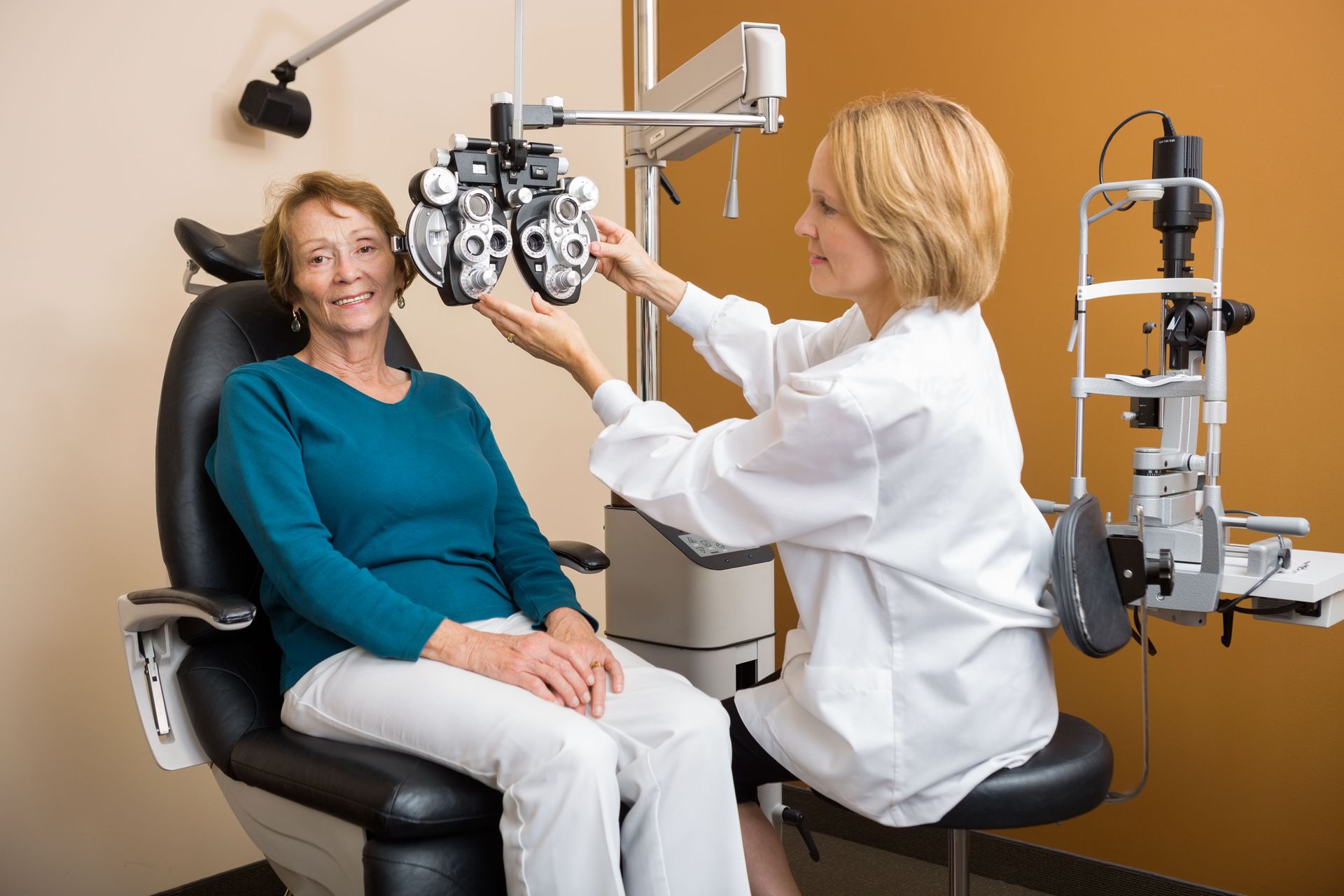
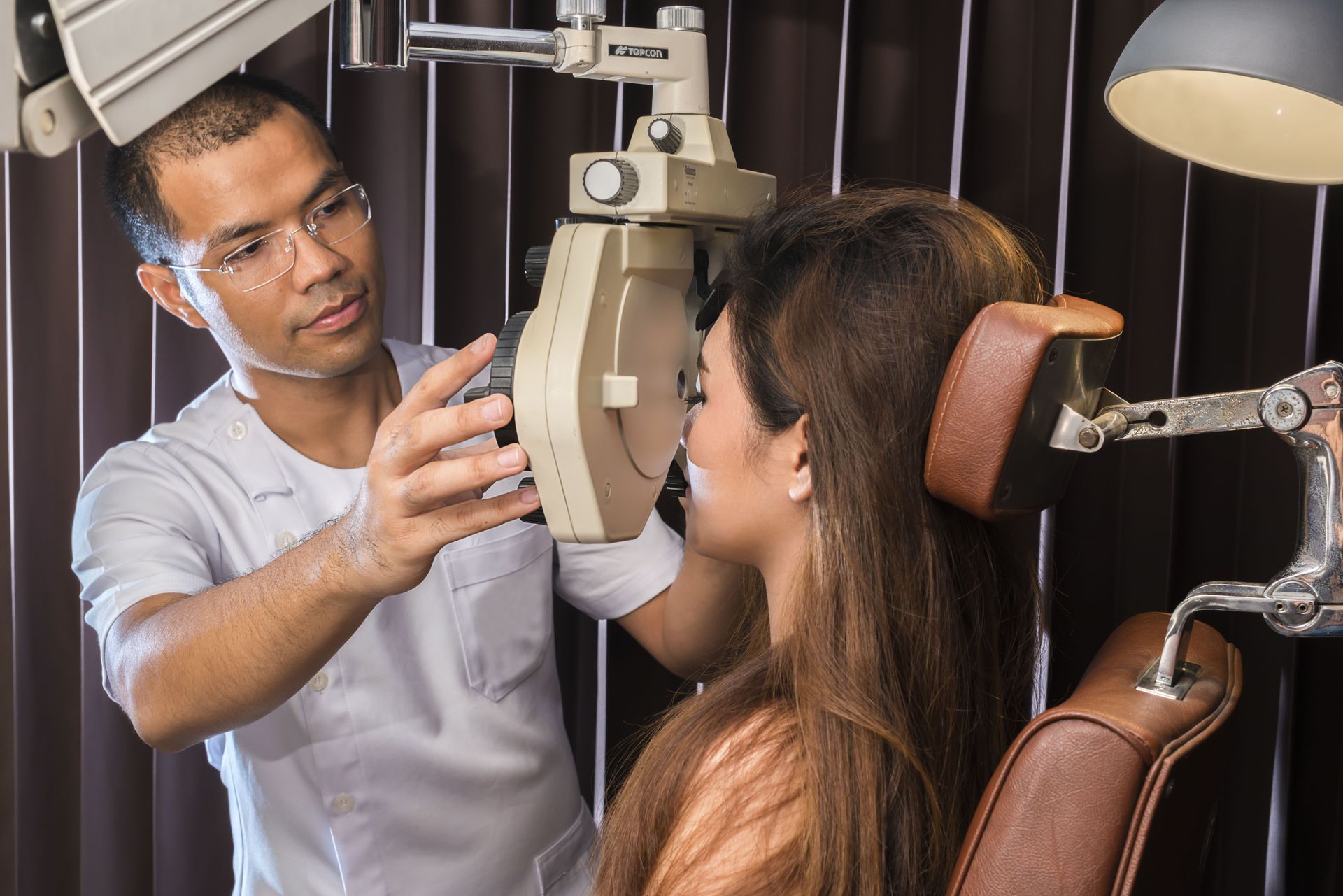
A basic vision screening at a workplace does not substitute for a comprehensive clinical evaluation. Basic charts measure visual acuity at a specific focal distance, ignoring the internal health of the ocular structures. Dilating the pupils gives specialists a clear view of the macula, retina, and optic disc. This internal view reveals beginning signs of systemic diseases, including high blood pressure. Comprehensive exams act as windows into a patient's overall metabolic health.
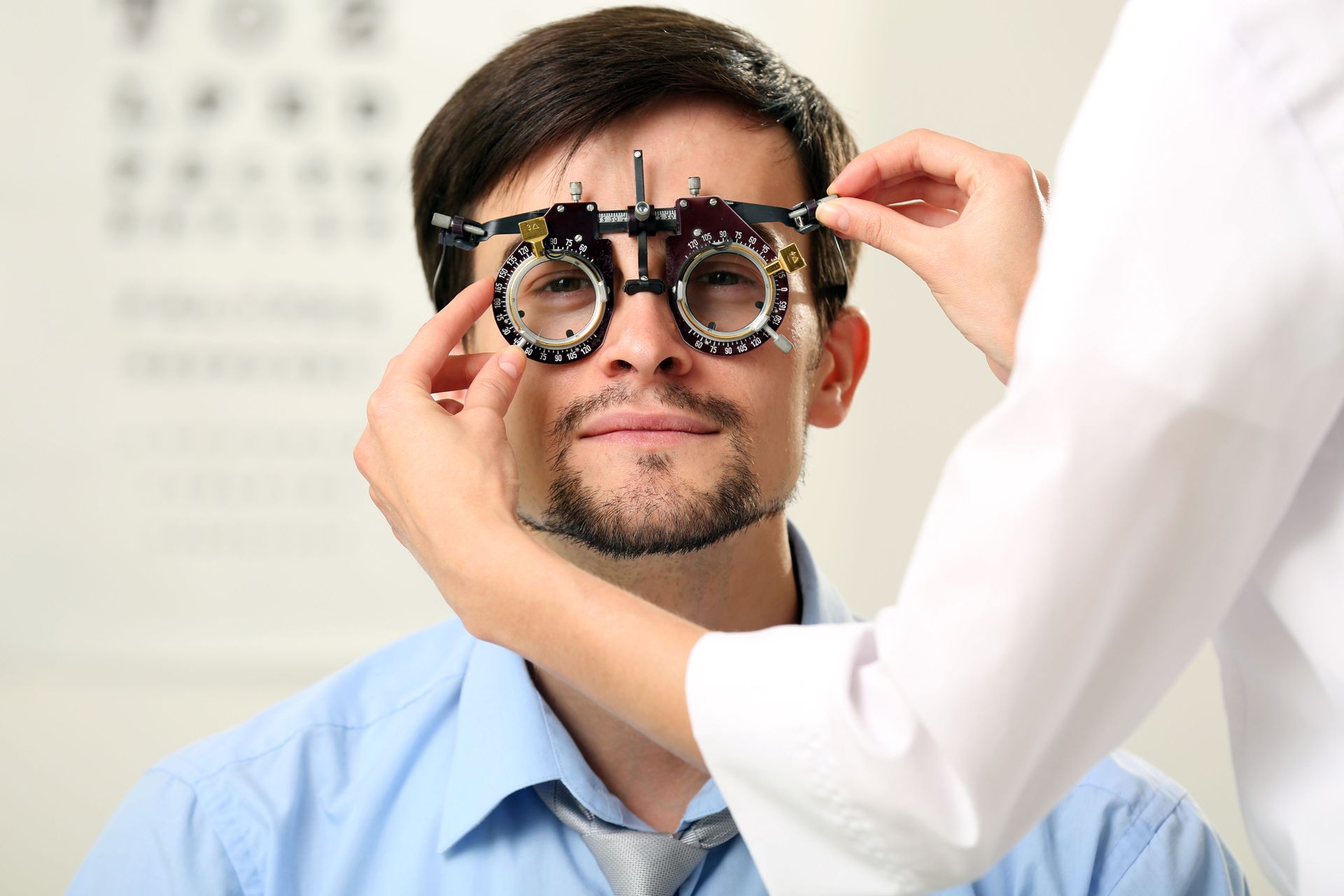
Prescription updates do more than sharpen blurry sight; they prevent unnecessary strain and chronic headaches. Wearing outdated corrective lenses forces the ocular muscles to overcompensate, leading to fatigue and loss of concentration. When individuals struggle to focus, their comfort plummets. Adjusting the refractive power of glasses or contact lenses ensures the brain receives clear signals without extra muscular effort. Maintaining an accurate prescription is essential for visual harmony.
Family history provides crucial clues about genetic predispositions to specific ocular conditions. Practitioners map out hereditary risks to determine the necessary frequency of comprehensive evaluations. Patients with a genetic link to macular degeneration require rigorous monitoring. Discussing familial ailments allows eye doctors to customize their diagnostic approach and catch hereditary diseases before they progress. Genetic awareness empowers patients to take charge of their future visual stability.
When Proper Hygiene Prevents Severe Ocular Damage
Contact lenses offer convenience, but they introduce foreign materials onto the sensitive corneal surface. Mishandling these medical devices invites dangerous pathogens into an environment perfect for bacterial growth. Sleeping with lenses deprives the cornea of oxygen, creating micro-abrasions that serve as entry points for microbes. According to the AOA, each year, serious infections that risk permanent vision loss affect up to one in 500 contact lens wearers, and even milder cases cause enough pain to disrupt everyday activities.
Proper cleaning protocols dictate the difference between clear sight and permanent scarring. Tap water contains microscopic organisms that cause devastating parasitic infections if exposed to contact lenses. Rinsing devices or storage cases with unsterilized water introduces these parasites to the ocular surface. Using approved disinfecting solutions removes protein deposits and neutralizes harmful bacteria. Sticking to a rigorous sterilization routine remains non-negotiable for anyone who utilizes insertable visual aids.
Replacing lenses and storage cases on time prevents the accumulation of toxic biofilms. Some patients attempt to save money by stretching the lifespan of their disposable products. This frugal behavior guarantees an exponential increase in microbial load against the eye. Fresh cases and new lenses guarantee a sterile environment and optimal oxygen permeability. Discarding expired materials eliminates the breeding grounds where hazardous pathogens thrive.
Cosmetic lenses purchased from unverified vendors present an extreme hazard to ocular health. These decorative items lack medical-grade approval and have poor fit, scratching the outer layers of the cornea. Scratches allow aggressive bacteria to penetrate the ocular tissue, causing ulcers. Safety must supersede aesthetics when dealing with delicate bodily organs. Conscientious eye doctors advocate for prescription-only usage to ensure precise fit and material safety.
What Modern Lifestyles Mean for Long-Term Clarity
Digital screens dominate contemporary existence, subjecting the visual system to continuous near-focus work. Staring at monitors reduces the blink rate, causing the tear film to evaporate. This unnatural behavior leads to severe dryness, burning sensations, and chronic fatigue. Implementing frequent breaks allows the focusing muscles to relax and re-establishes normal blinking patterns. Conscious screen habits mitigate the intense strain placed on the modern ocular system.
Blue light emitted by electronic devices disrupts circadian rhythms and contributes to visual discomfort. While the long-term retinal impact of artificial blue light remains under study, the immediate symptomatic strain is undeniable. Special anti-reflective coatings on glasses help disperse harsh glare from digital monitors. Adjusting ambient lighting to match screen brightness reduces the contrast that forces eyes to overwork. Taking control of the visual environment prevents digital fatigue.
Air quality in modern environments impacts the health of the ocular surface. Indoor heating and air conditioning systems strip moisture from the air, exacerbating dry eye conditions. Fans blowing onto the face accelerate tear evaporation and irritate the cornea. Utilizing humidifiers and redirecting air vents can preserve the necessary humidity for optimal comfort. Maintaining an eye-friendly atmosphere requires attention to the subtle details of indoor climate control.
Smoking introduces toxic chemicals into the bloodstream, restricting oxygen flow to the optic nerve. Combustible tobacco usage increases the probability of developing irreversible macular degeneration and cataracts. The harmful smoke acts as an irritant to the conjunctiva, causing chronic redness and inflammation. Quitting this habit restores vascular efficiency and removes a major catalyst for visual decline. For this reason, eye doctors advise patients to eliminate tobacco from their routines.
Vision remains an irreplaceable gift that requires vigilant upkeep and respect. The collective knowledge of eye doctors provides the necessary framework for sustaining clarity and preventing debilitating diseases. By acknowledging the risks associated with poor hygiene, neglected screenings, and screen overload, individuals can avoid catastrophic outcomes. Embracing a proactive regimen secures a future filled with vibrant colors and sharp details. Prioritizing ocular wellness enriches every aspect of the human experience. If you are ready to prioritize your visual health, we invite you to schedule a comprehensive examination with our eye doctors at Optical City. Let us help you maintain clear sight for a lifetime.

Share On: